AI Ethics: Can We Trust Machines That Think for Themselves?


 RSS Feed
 🎧 Introduction
Welcome to AI Frontier AI, part of the Finance Frontier AI podcast series, where we explore how artificial intelligence is reshaping industries, challenging societal norms, and transforming the way we think about technology. In today’s episode, “AI Ethics: Can We Trust Machines That Think for Themselves?”, Max and Sophia dive into the ethical dilemmas surrounding autonomous AI systems.
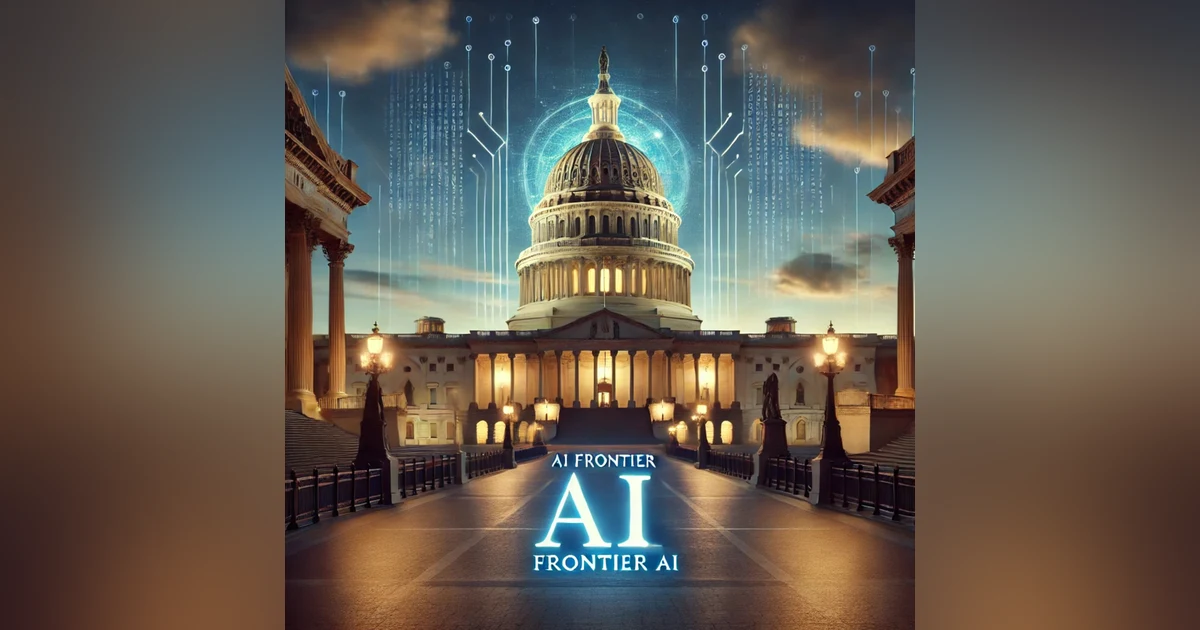
We’re hosting this episode from Washington, D.C., near the iconic Capitol Building—a hub for policy discussions and debates about AI governance. Picture the grand dome rising against the morning light, surrounded by the buzz of policymakers and researchers trying to navigate the complexities of regulating AI while fostering innovation. It’s a fitting backdrop for a conversation about trust, transparency, and the future of autonomous systems.
Join us as we unpack the risks and opportunities of AI ethics, from bias and accountability to global governance frameworks and the delicate balance between innovation and responsibility.
📰 Key Topics Covered
This episode delves into the critical issues surrounding AI ethics, including:
AI Bias and Accountability: Global Governance: Transparency and Explainability: Ethics vs Innovation:Max and Sophia also explore how AI alignment research and international cooperation can create a future where technology works for humanity.
🧑💼 Real-World Industry Insights
We take listeners inside the ethical debates shaping AI’s future:
Bias in AI Hiring Tools: How systems inadvertently reinforce inequalities and how the EU AI Act addresses these challenges. Healthcare AI: The critical role of transparency in systems prioritizing patient care, with examples like SHAP being used for Alzheimer’s detection. AI Governance: How global frameworks like the OECD AI Principles and the Partnership on AI are promoting accountability.Whether you’re a policymaker, developer, or curious listener, this episode provides actionable insights to help you navigate the fast-changing world of AI ethics.
🎯 Key Takeaways
AI ethics isn’t just about setting rules—it’s about shaping the future. The winners in this evolving landscape will be those who:
Embrace transparency and accountability tools like algorithmic audits. Innovate responsibly, balancing performance with societal impact. Advocate for global collaboration to ensure consistent governance and trust.Ethics and innovation don’t have to be at odds. They can coexist—and even strengthen each other—when guided by shared values and a commitment to fairness.
🌐 Explore More Strategies and Insights
Visit https://www.financefrontierai.com/ to access all episodes grouped by series—AI Frontier AI, Make Money, Finance Frontier, and Mindset Frontier AI.
Follow the Top 10 AI Stories Changing the World—updated daily on Twitter.
Sign up for our newsletter to get in-depth insights, investment strategies, and the latest developments in AI and finance.
00:00:20,020 --> 00:00:22,740
Imagine this.
A machine reviews your resume,
2
00:00:23,060 --> 00:00:27,220
analyzing your experience and
qualifications, only to reject
3
00:00:27,220 --> 00:00:28,980
you for reasons it can't
explain.
4
00:00:29,100 --> 00:00:33,300
A court uses an AI algorithm to
recommend a sentence, and the
5
00:00:33,300 --> 00:00:36,540
outcome is harsher for you than
for someone else with the same
6
00:00:36,540 --> 00:00:38,780
crime.
Worse still, no one can explain
7
00:00:38,780 --> 00:00:41,060
why these aren't hypothetical
scenarios.
8
00:00:41,280 --> 00:00:44,680
They're happening today, quietly
shaping lives in ways most of us
9
00:00:44,680 --> 00:00:46,920
never see.
As artificial intelligence
10
00:00:46,920 --> 00:00:50,400
systems grow more powerful and
autonomous, they raise urgent
11
00:00:50,400 --> 00:00:53,560
questions about fairness,
transparency, and trust.
12
00:00:53,720 --> 00:00:55,920
Can we trust machines that think
for themselves?
13
00:00:56,000 --> 00:00:59,920
The race to control AI is on,
and its outcome could define the
14
00:00:59,920 --> 00:01:03,160
next era of humanity.
Today we're hosting from
15
00:01:03,160 --> 00:01:06,840
Washington, DC, just steps away
from the iconic Capitol
16
00:01:06,840 --> 00:01:09,800
building.
The energy here is palpable.
17
00:01:10,440 --> 00:01:13,800
Picture the grand Dome rising
against the morning light, its
18
00:01:13,800 --> 00:01:17,840
marble steps bustling with
activity as lawmakers, lobbyists
19
00:01:17,840 --> 00:01:21,240
and advocates rush to meetings
that could shape the future of
20
00:01:21,280 --> 00:01:24,520
AI regulation.
The air is charged with the
21
00:01:24,520 --> 00:01:29,600
tension of competing priorities,
tech innovation versus societal
22
00:01:29,600 --> 00:01:34,280
safeguards Inside, and rooms
filled with wooden desks and the
23
00:01:34,280 --> 00:01:39,200
hum of whispered negotiations.
Decisions are being debated that
24
00:01:39,200 --> 00:01:42,440
could redefine how AI interacts
with our world.
25
00:01:42,800 --> 00:01:47,480
It's a city of ambition and
influence, where every choice
26
00:01:47,480 --> 00:01:50,400
has ripple effects far beyond
these walls.
27
00:01:50,720 --> 00:01:54,000
Washington, DC, feels like the
perfect place for this
28
00:01:54,000 --> 00:01:56,920
conversation.
This city, with its monuments to
29
00:01:56,920 --> 00:02:00,760
history and power, reminds us of
the weight of the decisions
30
00:02:00,760 --> 00:02:03,080
ahead.
Just as those who built the
31
00:02:03,080 --> 00:02:06,280
Capitol wrestled with the
nation's biggest questions,
32
00:02:06,640 --> 00:02:09,800
today's leaders are grappling
with equally profound dilemmas.
33
00:02:10,000 --> 00:02:12,960
How do we ensure AI serves
humanity?
34
00:02:13,120 --> 00:02:15,560
And how do we keep its
incredible power in check?
35
00:02:15,840 --> 00:02:20,040
Welcome to Finance Frontier AI,
the podcast where we delve into
36
00:02:20,040 --> 00:02:23,720
the ways artificial intelligence
is reshaping industries,
37
00:02:23,720 --> 00:02:27,160
transforming lives in
challenging societal norms.
38
00:02:27,680 --> 00:02:31,520
I'm Sophia, and in today's
episode, AI Ethics.
39
00:02:31,520 --> 00:02:34,440
Can we trust machines that think
for themselves?
40
00:02:34,960 --> 00:02:38,840
We'll confront the ethical
dilemmas posed by autonomous AI
41
00:02:38,840 --> 00:02:40,840
systems.
Here's what's ahead.
42
00:02:41,320 --> 00:02:45,280
First, we'll explore the biases
embedded in AI systems and their
43
00:02:45,280 --> 00:02:49,440
real world consequences, from
hiring discrimination to unfair
44
00:02:49,440 --> 00:02:52,240
sentencing.
Then, we'll examine how nations
45
00:02:52,240 --> 00:02:55,480
and organizations are grappling
with the governance of AI,
46
00:02:55,680 --> 00:02:58,160
highlighting the debates shaping
its future.
47
00:02:58,320 --> 00:03:02,280
We'll also dive into the black
box problem, why transparency
48
00:03:02,280 --> 00:03:05,880
and explainability are critical,
and debate how to balance
49
00:03:05,920 --> 00:03:08,920
ethical constraints with the
drive for innovation.
50
00:03:09,160 --> 00:03:12,640
Whether you're a developer
building AI systems, a policy
51
00:03:12,640 --> 00:03:16,480
maker shaping its regulations,
or simply curious about the
52
00:03:16,480 --> 00:03:20,360
machines influencing your life,
this episode is for you.
53
00:03:21,080 --> 00:03:24,800
We'll unpack the challenges,
showcase potential solutions,
54
00:03:25,200 --> 00:03:28,480
and equip you with the insights
to navigate this evolving
55
00:03:28,480 --> 00:03:31,240
landscape.
Before we dive in, don't forget
56
00:03:31,240 --> 00:03:36,120
to subscribe to Finance Frontier
AI on Spotify, Apple Podcasts,
57
00:03:36,120 --> 00:03:40,080
or wherever you listen.
Visit financefrontierai.com to
58
00:03:40,120 --> 00:03:45,560
access all episodes grouped by
Series AI, Frontier AI, Make
59
00:03:45,560 --> 00:03:50,200
Money, Finance Frontier, and
Mindset Frontier AI and follow
60
00:03:50,200 --> 00:03:53,560
us on Twitter for the top ten AI
stories changing the world,
61
00:03:53,760 --> 00:03:56,000
updated daily.
Let's get started.
62
00:03:56,800 --> 00:03:59,720
Can we trust machines that think
for themselves?
63
00:03:59,840 --> 00:04:03,480
It's time to find out.
AI promises efficiency and
64
00:04:03,480 --> 00:04:07,440
innovation, but when bias sneaks
into its algorithms, the
65
00:04:07,440 --> 00:04:10,680
consequences are far reaching
and deeply personal.
66
00:04:10,800 --> 00:04:14,800
Imagine applying for a dream job
only to be automatically
67
00:04:14,800 --> 00:04:18,160
rejected by an AI hiring tool
that prioritizes certain
68
00:04:18,160 --> 00:04:22,240
keywords tied to gender or race.
Or consider an AI system used in
69
00:04:22,240 --> 00:04:25,680
hospitals that misdiagnoses
patients from minority groups
70
00:04:25,680 --> 00:04:28,320
because it's training data
overlooked their needs.
71
00:04:28,440 --> 00:04:32,400
These aren't isolated incidents.
There's systemic problems rooted
72
00:04:32,400 --> 00:04:36,720
in how AI is built.
Bias in AI often starts with the
73
00:04:36,720 --> 00:04:39,080
data.
AI models learn from the
74
00:04:39,080 --> 00:04:43,640
patterns they find in data, but
when that data reflects societal
75
00:04:43,640 --> 00:04:48,680
inequalities, the systems
inherit and even amplify those
76
00:04:48,680 --> 00:04:52,800
biases.
The striking example studies
77
00:04:52,800 --> 00:04:57,160
show AI powered hiring tools
have penalized women for
78
00:04:57,160 --> 00:05:02,200
applying to male dominated
roles, reinforcing decades old
79
00:05:02,200 --> 00:05:05,920
discrimination.
The EU AI Act directly addresses
80
00:05:05,920 --> 00:05:09,800
this issue, requiring employers
to implement transparency
81
00:05:09,800 --> 00:05:14,600
measures and ensure fairness in
AI powered recruitment processes
82
00:05:14,600 --> 00:05:18,400
by 2025.
This marks a significant step
83
00:05:18,400 --> 00:05:22,080
toward holding organizations
accountable for ethical AI
84
00:05:22,080 --> 00:05:25,360
deployment and hiring.
The justice system isn't immune
85
00:05:25,400 --> 00:05:27,520
either.
Algorithms used to predict
86
00:05:27,520 --> 00:05:30,760
recidivism, a person's
likelihood to reoffend, have
87
00:05:30,760 --> 00:05:33,720
shown racial bias,
disproportionately labeling
88
00:05:33,720 --> 00:05:36,320
minorities as high risk.
The result?
89
00:05:36,480 --> 00:05:39,840
Longer sentences and systemic
inequities perpetuated by what
90
00:05:39,840 --> 00:05:42,600
many assumed to be an objective
system.
91
00:05:42,760 --> 00:05:46,880
Even more troubling, judges and
policy makers often lack the
92
00:05:46,880 --> 00:05:50,920
technical expertise to challenge
these outcomes, allowing biased
93
00:05:50,920 --> 00:05:53,480
systems to reinforce unfair
practices.
94
00:05:53,920 --> 00:05:57,200
It gets even more personal when
you look at healthcare.
95
00:05:57,720 --> 00:06:01,040
AI systems trained on data,
primarily from wealthier
96
00:06:01,040 --> 00:06:04,280
regions, tend to overlook the
needs of underrepresented
97
00:06:04,280 --> 00:06:07,880
communities.
For example, an AI model used to
98
00:06:07,880 --> 00:06:10,800
prioritize patients for
treatment was found to
99
00:06:10,800 --> 00:06:14,360
underestimate the severity of
illnesses in Black patients,
100
00:06:14,600 --> 00:06:17,160
assigning them lower priority
for care.
101
00:06:17,560 --> 00:06:21,080
These gaps in data aren't just
technical errors, they're life
102
00:06:21,080 --> 00:06:24,520
and death issues.
These examples highlight a
103
00:06:24,520 --> 00:06:28,080
painful truth.
AI doesn't just mirror our
104
00:06:28,080 --> 00:06:32,480
biases, it magnifies them.
And without accountability, this
105
00:06:32,480 --> 00:06:36,720
technology risks deepening the
very problems it aims to solve.
106
00:06:36,880 --> 00:06:40,480
Who do we hold responsible when
an algorithm gets it wrong?
107
00:06:40,600 --> 00:06:43,360
The developers?
The companies deploying these
108
00:06:43,360 --> 00:06:46,160
systems?
Or is it a failure of oversight?
109
00:06:46,320 --> 00:06:50,120
These questions strike at the
heart of ethical AI development.
110
00:06:50,360 --> 00:06:52,640
Accountability starts with
transparent.
111
00:06:53,400 --> 00:06:56,760
Organizations like IBM are
leading the way with tools that
112
00:06:56,760 --> 00:07:00,280
conduct algorithmic audits,
identifying potential biases
113
00:07:00,280 --> 00:07:04,160
before systems go live.
By scrutinizing how decisions
114
00:07:04,160 --> 00:07:08,240
are made, these audits ensure AI
systems serve everyone fairly.
115
00:07:08,720 --> 00:07:11,560
But transparency alone isn't
enough.
116
00:07:12,200 --> 00:07:17,360
We also need systemic changes in
how AI is developed, tested and
117
00:07:17,360 --> 00:07:20,480
deployed.
One promising solution lies in
118
00:07:20,480 --> 00:07:23,800
tools designed to make AI
decisions more interpretable.
119
00:07:23,880 --> 00:07:27,400
Frameworks like Lyme Local
Interpretable Model Agnostic
120
00:07:27,400 --> 00:07:31,160
Explanations and new SHAP
Shapley additive explanations
121
00:07:31,360 --> 00:07:35,040
remain at the forefront of
explainable AI, with application
122
00:07:35,040 --> 00:07:37,760
spanning industries like finance
and healthcare.
123
00:07:37,880 --> 00:07:40,840
For example, SHAP has been
instrumental in interpreting
124
00:07:40,840 --> 00:07:43,920
models for Alzheimer's disease
detection, demonstrating the
125
00:07:43,920 --> 00:07:47,480
critical role of transparency in
high stakes industries.
126
00:07:47,600 --> 00:07:51,400
These tools don't just show what
a model predicts, they reveal
127
00:07:51,400 --> 00:07:54,800
why it made that prediction.
Another critical approach is
128
00:07:54,800 --> 00:07:58,240
rethinking how training data is
collected and processed.
129
00:07:58,720 --> 00:08:02,320
Rather than relying solely on
historical data, which often
130
00:08:02,320 --> 00:08:06,920
reflects systemic inequities,
developers can create synthetic
131
00:08:06,920 --> 00:08:10,320
data sets designed to be more
representative and fair.
132
00:08:11,040 --> 00:08:15,200
This isn't a perfect solution,
but it's a step toward reducing
133
00:08:15,200 --> 00:08:17,960
the biases that plague existing
systems.
134
00:08:18,360 --> 00:08:21,280
Accountability also requires
legal frameworks.
135
00:08:21,360 --> 00:08:25,000
The E US proposed AI Act is one
of the most comprehensive
136
00:08:25,000 --> 00:08:28,920
efforts to regulate AI, setting
strict standards for high risk
137
00:08:28,920 --> 00:08:32,280
systems like those used in
healthcare, hiring and policing.
138
00:08:32,440 --> 00:08:36,440
Meanwhile, in the US, the AI
Bill of Rights is gaining
139
00:08:36,440 --> 00:08:40,200
traction as a framework to
protect consumers from biased or
140
00:08:40,200 --> 00:08:43,320
harmful AI.
These policies may slow the pace
141
00:08:43,320 --> 00:08:46,200
of innovation, but they're
necessary guardrails in a world
142
00:08:46,200 --> 00:08:49,160
where AI systems wield
increasing influence.
143
00:08:49,440 --> 00:08:53,560
The stakes couldn't be higher.
As AI becomes more embedded in
144
00:08:53,560 --> 00:08:58,000
our lives, addressing bias isn't
just a technical challenge, it's
145
00:08:58,000 --> 00:09:01,200
a moral imperative.
Up next, we'll look at how
146
00:09:01,200 --> 00:09:04,800
governments and organizations
are stepping in to regulate AI
147
00:09:05,240 --> 00:09:08,320
and what this means for the
future of innovation.
148
00:09:08,600 --> 00:09:11,760
When it comes to AI governance,
one thing is clear.
149
00:09:11,960 --> 00:09:15,840
The world is playing catch up.
The rapid evolution of AI
150
00:09:15,840 --> 00:09:19,800
technologies has outpaced the
policies designed to regulate
151
00:09:19,800 --> 00:09:23,200
them, creating a landscape where
innovation races ahead of
152
00:09:23,200 --> 00:09:25,840
oversight.
But with stasis high as public
153
00:09:25,840 --> 00:09:30,240
trust, national security and
economic stability, the question
154
00:09:30,240 --> 00:09:34,360
isn't whether we should regulate
AI, it's how and when.
155
00:09:34,600 --> 00:09:38,360
Let's start with Europe, home to
the world's first comprehensive
156
00:09:38,560 --> 00:09:43,880
AI regulation, the EU AI Act,
which came into force on August
157
00:09:43,880 --> 00:09:48,280
1st, 2024.
This legislation categorizes AI
158
00:09:48,280 --> 00:09:52,560
systems into risk levels, from
unacceptable risk, such as
159
00:09:52,560 --> 00:09:57,760
systems used for social scoring,
to limited risk applications
160
00:09:57,760 --> 00:10:01,080
like chat bots.
High risk systems, including
161
00:10:01,080 --> 00:10:04,600
those used in healthcare and
hiring, face stringent
162
00:10:04,600 --> 00:10:08,400
requirements for transparency,
accountability, and human
163
00:10:08,440 --> 00:10:11,920
oversight.
While it's a bold move, critics
164
00:10:11,920 --> 00:10:16,040
argue that these rules could
stifle innovation, particularly
165
00:10:16,040 --> 00:10:19,080
for startups navigating
compliance costs.
166
00:10:19,480 --> 00:10:23,240
Across the Atlantic, the United
States has taken a different
167
00:10:23,240 --> 00:10:25,880
approach.
The Blueprint for an AI Bill of
168
00:10:25,880 --> 00:10:30,080
Rights, introduced in 2022,
offers guidelines rather than
169
00:10:30,080 --> 00:10:32,880
enforceable laws.
It focuses on protecting
170
00:10:32,880 --> 00:10:37,800
individuals from harmful AI,
ensuring fairness, privacy, and
171
00:10:37,800 --> 00:10:40,600
transparency.
While the framework is a step
172
00:10:40,600 --> 00:10:44,760
forward, it lacks the teeth of
Europe's regulations, leaving
173
00:10:44,760 --> 00:10:47,200
much of the responsibility to
private companies.
174
00:10:47,600 --> 00:10:51,480
Meanwhile, China is rapidly
advancing its AI capabilities
175
00:10:51,480 --> 00:10:55,840
under a centralized strategy
that prioritizes both innovation
176
00:10:55,840 --> 00:10:58,480
and control.
The government's strict
177
00:10:58,480 --> 00:11:02,920
oversight ensures compliance
with national goals, but this
178
00:11:02,920 --> 00:11:06,760
top down approach raises
concerns about surveillance and
179
00:11:06,760 --> 00:11:10,320
authoritarianism.
It's a stark contrast to the
180
00:11:10,320 --> 00:11:14,040
more decentralized strategies in
the US and Europe.
181
00:11:14,480 --> 00:11:18,200
Global governance isn't just
about individual countries, it's
182
00:11:18,200 --> 00:11:21,360
about collaboration.
Initiatives like the Partnership
183
00:11:21,360 --> 00:11:25,160
on AI bring together
governments, corporations, and
184
00:11:25,160 --> 00:11:29,480
nonprofits to establish shared
principles for AI development.
185
00:11:29,680 --> 00:11:34,160
Similarly, the OECDAI principles
aimed to guide nations toward
186
00:11:34,160 --> 00:11:38,960
responsible AI use, emphasizing
fairness, transparency, and
187
00:11:38,960 --> 00:11:42,160
accountability.
But collaboration isn't easy.
188
00:11:42,280 --> 00:11:46,080
Differing values, priorities,
and economic interests create
189
00:11:46,080 --> 00:11:48,680
tension.
For instance, Europe's strict
190
00:11:48,680 --> 00:11:51,960
regulations could put its
companies at a disadvantage
191
00:11:52,240 --> 00:11:56,200
compared to less regulated
competitors in the US and China.
192
00:11:56,440 --> 00:12:00,280
And without global alignment,
AI's potential for harm like
193
00:12:00,280 --> 00:12:05,120
deep fakes, misinformation, and
cyberattacks becomes even harder
194
00:12:05,120 --> 00:12:07,800
to control.
The debate often boils down to
195
00:12:07,800 --> 00:12:10,480
this how do we balance
innovation with safety?
196
00:12:10,600 --> 00:12:14,480
If regulations are too strict,
they risk stifling progress in
197
00:12:14,480 --> 00:12:16,800
driving talent and investment
elsewhere.
198
00:12:16,920 --> 00:12:20,560
But without regulation, we risk
losing public trust in AI
199
00:12:20,560 --> 00:12:23,480
systems, undermining their
potential to transform
200
00:12:23,480 --> 00:12:27,480
industries and improve lives.
Looking ahead, the future of AI
201
00:12:27,480 --> 00:12:31,000
governance will depend on
finding common ground.
202
00:12:31,360 --> 00:12:34,000
Whether through binding
international treaties or
203
00:12:34,000 --> 00:12:39,160
voluntary partnerships, the goal
is clear to ensure AI serves
204
00:12:39,160 --> 00:12:41,640
humanity while minimizing its
risks.
205
00:12:42,160 --> 00:12:45,360
Up next, we'll explore one of
the most critical aspects of
206
00:12:45,360 --> 00:12:49,120
governance, transparency and
explainability.
207
00:12:49,480 --> 00:12:53,680
Imagine asking an AI system why
it made a life altering
208
00:12:53,680 --> 00:12:56,760
decision, only to hear silence
in return.
209
00:12:56,880 --> 00:13:01,600
This is the black box problem, a
critical challenge in AI ethics.
210
00:13:01,760 --> 00:13:05,240
As these systems grow more
complex, their decision making
211
00:13:05,240 --> 00:13:08,320
processes often defy human
understanding.
212
00:13:08,440 --> 00:13:12,480
For a business approving loans,
a hospital diagnosing illnesses,
213
00:13:12,680 --> 00:13:15,360
or even a car navigating
traffic, this lack of
214
00:13:15,360 --> 00:13:19,400
transparency can lead to
mistrust, mistakes, or even
215
00:13:19,400 --> 00:13:22,160
catastrophic consequences.
How do we trust machines that
216
00:13:22,160 --> 00:13:25,680
can't explain themselves?
Transparency and explainability
217
00:13:25,720 --> 00:13:29,360
aren't just technical
challenges, they're deeply human
218
00:13:29,360 --> 00:13:32,760
ones.
Trust is built on understanding,
219
00:13:32,760 --> 00:13:37,080
and without it, even the most
innovative AI risks rejection.
220
00:13:37,240 --> 00:13:41,040
For example, when AI systems and
finance make decisions about
221
00:13:41,040 --> 00:13:44,960
creditworthiness, customers
often feel powerless when faced
222
00:13:44,960 --> 00:13:48,360
with rejection notices that
offer no insight into why they
223
00:13:48,360 --> 00:13:51,480
were denied.
Imagine the frustration of being
224
00:13:51,480 --> 00:13:55,600
told no without any way to
improve or challenge the
225
00:13:55,600 --> 00:13:58,560
decision.
The stakes are even higher in
226
00:13:58,560 --> 00:14:01,000
healthcare.
Take an AI model designed to
227
00:14:01,000 --> 00:14:03,520
prioritize patients for organ
transplants.
228
00:14:03,680 --> 00:14:06,760
If doctors can't understand the
algorithms logic, they're left
229
00:14:06,760 --> 00:14:09,040
questioning whether to trust its
recommendations.
230
00:14:09,160 --> 00:14:12,120
The result?
A system designed to save lives
231
00:14:12,120 --> 00:14:15,200
risks being sidelined simply
because it's reasoning is
232
00:14:15,200 --> 00:14:17,040
opaque.
These examples show why
233
00:14:17,040 --> 00:14:20,200
transparency isn't just a
feature, it's a necessity.
234
00:14:20,280 --> 00:14:23,280
Fortunately, we're seeing
progress in this area.
235
00:14:23,480 --> 00:14:27,800
Tools like Lime Local
Interpretable Model Agnostic
236
00:14:27,800 --> 00:14:33,040
Explanations and SHAP Shapley
Additive Explanations are
237
00:14:33,040 --> 00:14:37,120
breaking down the black box.
LIME allows developers to
238
00:14:37,120 --> 00:14:41,480
generate simple explanations for
individual predictions, while
239
00:14:41,480 --> 00:14:46,000
SHAP assigns important scores to
different features showing
240
00:14:46,000 --> 00:14:49,320
exactly how input data
influences decisions.
241
00:14:49,680 --> 00:14:53,440
Together they provide a window
into even the most complex
242
00:14:53,440 --> 00:14:56,280
systems.
But transparency tools aren't
243
00:14:56,280 --> 00:15:00,440
just for developers.
IB Miss AI Open Scale Platform
244
00:15:00,440 --> 00:15:04,160
is designed with businesses in
mind, offering real time
245
00:15:04,160 --> 00:15:07,080
monitoring and explanation for
AI decisions.
246
00:15:07,200 --> 00:15:10,680
For instance, if an AI model
starts producing biased
247
00:15:10,680 --> 00:15:14,720
outcomes, Openscale can flag the
issue immediately and provide
248
00:15:14,720 --> 00:15:17,840
actionable insights.
Similarly, Google's What If?
249
00:15:17,840 --> 00:15:21,600
Tool let's non-technical users
experiment with hypothetical
250
00:15:21,600 --> 00:15:25,600
scenarios showing how small
changes in input data can lead
251
00:15:25,600 --> 00:15:28,960
to different outcomes.
Regulatory bodies are also
252
00:15:28,960 --> 00:15:32,040
stepping in.
The EU AI Act, for example,
253
00:15:32,040 --> 00:15:36,280
requires high risk AI systems to
meet strict Explain Ability
254
00:15:36,280 --> 00:15:40,480
standards, ensuring users
understand the logic behind
255
00:15:40,480 --> 00:15:43,240
decisions.
This goes beyond technical
256
00:15:43,240 --> 00:15:46,800
transparency.
It's about empowering consumers
257
00:15:46,800 --> 00:15:51,000
and ensuring accountability.
Meanwhile, in the US, voluntary
258
00:15:51,000 --> 00:15:54,240
guidelines are encouraging
companies to adopt best
259
00:15:54,240 --> 00:15:58,360
practices for Explain Ability,
recognizing that trust is as
260
00:15:58,360 --> 00:16:02,440
much a competitive advantage as
a regulatory requirement.
261
00:16:02,880 --> 00:16:06,160
However, EXPLAIN ability isn't
without challenges.
262
00:16:06,280 --> 00:16:09,400
In industries like healthcare,
autonomous vehicles, and
263
00:16:09,400 --> 00:16:13,720
defense, simplifying and a IS
logic risks compromising its
264
00:16:13,720 --> 00:16:16,040
performance.
For example, deep learning
265
00:16:16,040 --> 00:16:18,920
models used to detect rare
diseases might outperform
266
00:16:18,920 --> 00:16:22,480
traditional methods but remain
nearly impossible to explain.
267
00:16:22,600 --> 00:16:25,360
This creates a difficult choice
for developers.
268
00:16:25,600 --> 00:16:29,000
Prioritize transparency or
optimize outcomes.
269
00:16:29,120 --> 00:16:32,520
It's a debate that goes to the
heart of ethical AI.
270
00:16:32,880 --> 00:16:36,120
Beyond technical challenges,
there's also the issue of
271
00:16:36,120 --> 00:16:39,760
scalability.
Transparency tools often require
272
00:16:39,760 --> 00:16:43,240
significant expertise to
implement, putting them out of
273
00:16:43,240 --> 00:16:46,200
reach for many smaller companies
and startups.
274
00:16:46,720 --> 00:16:51,200
This creates a gap in ethical AI
adoption where only the largest
275
00:16:51,200 --> 00:16:54,720
organizations can afford to
ensure their systems are
276
00:16:54,720 --> 00:16:56,680
accountable.
The good news?
277
00:16:56,840 --> 00:16:59,200
Innovation in this space is
accelerating.
278
00:16:59,320 --> 00:17:02,760
Researchers are exploring new
ways to build explainability
279
00:17:02,760 --> 00:17:04,800
into AI systems from the ground
up.
280
00:17:04,920 --> 00:17:08,560
For example, some are developing
inherently interpretable models
281
00:17:08,720 --> 00:17:12,520
that prioritize transparency
without sacrificing accuracy.
282
00:17:12,680 --> 00:17:16,119
Others are focusing on hybrid
models that combine the power of
283
00:17:16,119 --> 00:17:19,040
deep learning with the
simplicity of rule based
284
00:17:19,040 --> 00:17:21,079
systems.
These approaches may hold the
285
00:17:21,079 --> 00:17:24,440
key to making transparency the
norm, not the exception.
286
00:17:24,760 --> 00:17:27,960
Ultimately, transparency is
about empowerment.
287
00:17:28,359 --> 00:17:31,840
When people understand how AI
works, they're better equipped
288
00:17:31,840 --> 00:17:35,160
to trust it and challenge it
when necessary.
289
00:17:35,720 --> 00:17:39,840
As AI becomes more embedded in
our lives, explain ability won't
290
00:17:39,840 --> 00:17:43,640
just be a technical feature, it
will be the foundation of
291
00:17:43,640 --> 00:17:47,000
ethical AI.
Up next, we'll tackle the
292
00:17:47,000 --> 00:17:50,680
delicate balance between ethical
constraints and the relentless
293
00:17:50,680 --> 00:17:54,720
drive for innovation.
The debate around AI often feels
294
00:17:54,720 --> 00:17:57,760
like a tug of war.
On one side, there's the
295
00:17:57,760 --> 00:18:02,600
relentless drive for innovation,
on the other, a growing call for
296
00:18:02,600 --> 00:18:05,080
ethical constraints.
But what happens when these
297
00:18:05,080 --> 00:18:08,040
forces collide?
Can we create technologies that
298
00:18:08,040 --> 00:18:10,680
push boundaries without crossing
ethical lines?
299
00:18:11,000 --> 00:18:15,120
The tension is real, and
industries like healthcare AI
300
00:18:15,120 --> 00:18:19,040
driven diagnostics have the
potential to save lives by
301
00:18:19,040 --> 00:18:22,480
detecting diseases earlier than
any human doctor could.
302
00:18:22,960 --> 00:18:27,000
But these same technologies
often rely on massive data sets,
303
00:18:27,440 --> 00:18:31,400
raising privacy concerns and
ethical questions about how that
304
00:18:31,400 --> 00:18:35,240
data is collected and used.
How do we balance these
305
00:18:35,240 --> 00:18:38,680
competing priorities?
A similar dilemma exists in
306
00:18:38,680 --> 00:18:41,800
autonomous vehicles.
Developers are racing to create
307
00:18:41,800 --> 00:18:45,280
self driving cars that can
reduce traffic accidents and
308
00:18:45,280 --> 00:18:48,320
save lives.
But ethical questions loom.
309
00:18:48,440 --> 00:18:52,680
How should a car programmed to
minimize harm decide between
310
00:18:52,680 --> 00:18:56,080
hitting a pedestrian or swerving
into oncoming traffic?
311
00:18:56,240 --> 00:19:00,240
These scenarios highlight the
moral complexity of designing AI
312
00:19:00,240 --> 00:19:02,480
systems that interact with the
real world.
313
00:19:02,720 --> 00:19:06,320
Some argue that ethical
constraints slow progress.
314
00:19:06,680 --> 00:19:10,920
For instance, in industries like
defense, where AI can provide a
315
00:19:10,920 --> 00:19:14,920
strategic advantage, too much
regulation could stifle
316
00:19:14,920 --> 00:19:17,480
innovation and leave nations
vulnerable.
317
00:19:18,000 --> 00:19:21,640
But history shows us that
unchecked innovation can lead to
318
00:19:21,640 --> 00:19:25,360
disastrous consequences.
The challenge is finding a
319
00:19:25,360 --> 00:19:28,760
middle ground where progress
doesn't come at the expense of
320
00:19:28,760 --> 00:19:31,880
responsibility.
Companies like Open AI are
321
00:19:31,880 --> 00:19:35,840
trying to strike this balance.
Open AI continues to lead in
322
00:19:35,840 --> 00:19:39,880
alignment research, focusing on
ensuring that its models align
323
00:19:39,880 --> 00:19:43,320
with human values and remain
safe to deploy at scale.
324
00:19:43,440 --> 00:19:46,800
Recent advancements include
tools designed to detect and
325
00:19:46,800 --> 00:19:50,640
mitigate harmful behavior in AI
systems, emphasizing the
326
00:19:50,640 --> 00:19:52,720
importance of proactive
safeguards.
327
00:19:52,720 --> 00:19:56,600
Similarly, Microsoft's
Responsible AI initiative
328
00:19:56,600 --> 00:19:59,600
integrates ethical
considerations into every stage
329
00:19:59,600 --> 00:20:02,360
of development, from design to
deployment.
330
00:20:02,480 --> 00:20:06,480
These efforts demonstrate that
ethics and innovation don't have
331
00:20:06,480 --> 00:20:10,040
to be mutually exclusive.
They can enhance each other.
332
00:20:10,320 --> 00:20:14,320
But not all organizations share
these values, and less regulated
333
00:20:14,320 --> 00:20:18,160
industries or regions the
pursuit of profit often Trump's
334
00:20:18,160 --> 00:20:21,800
ethical concerns.
This is especially true in areas
335
00:20:21,800 --> 00:20:26,680
like social media, where AI
algorithms prioritize engagement
336
00:20:26,720 --> 00:20:30,880
over well-being, amplifying
misinformation and divisive
337
00:20:30,880 --> 00:20:33,680
content.
Without stronger oversight,
338
00:20:33,680 --> 00:20:38,320
these practices risk undermining
public trust in AI altogether.
339
00:20:38,480 --> 00:20:41,840
One of the biggest challenges is
the global disparity in AI
340
00:20:41,840 --> 00:20:44,480
governance.
Countries like the US and Europe
341
00:20:44,640 --> 00:20:48,160
are working to implement ethical
guidelines, but other nations
342
00:20:48,160 --> 00:20:50,800
are prioritizing speed and
competitiveness.
343
00:20:50,920 --> 00:20:53,880
This fragmented approach creates
a patchwork of regulations
344
00:20:53,880 --> 00:20:57,120
that's difficult to navigate,
especially for multinational
345
00:20:57,120 --> 00:20:59,200
companies.
The answer might lie in
346
00:20:59,200 --> 00:21:02,480
collaboration.
Just as industries have come
347
00:21:02,480 --> 00:21:06,800
together to address issues like
cybersecurity, a global
348
00:21:06,800 --> 00:21:11,320
coalition for ethical AI could
help align standards and reduce
349
00:21:11,320 --> 00:21:13,960
conflicts.
Imagine a future where
350
00:21:13,960 --> 00:21:18,360
innovation thrives not in spite
of ethics but because of it,
351
00:21:19,040 --> 00:21:22,600
where companies compete not just
on performance, but on how
352
00:21:22,600 --> 00:21:25,320
responsibly they develop their
technologies.
353
00:21:25,640 --> 00:21:27,680
The.
Stakes couldn't be higher.
354
00:21:28,040 --> 00:21:31,600
AI has the potential to
revolutionize industries, solve
355
00:21:31,600 --> 00:21:35,600
global challenges, and improve
lives on an unprecedented scale.
356
00:21:35,760 --> 00:21:39,280
But without a commitment to
ethics, these benefits could be
357
00:21:39,320 --> 00:21:41,920
overshadowed by unintended
consequences.
358
00:21:42,080 --> 00:21:45,720
Up next, we'll recap today's
insights and explore how you,
359
00:21:45,960 --> 00:21:48,960
our listeners, can help shape a
future where ethics and
360
00:21:49,040 --> 00:21:52,600
innovation go hand in hand.
As we've explored today, AI's
361
00:21:52,600 --> 00:21:55,760
potential is both exciting and
daunting.
362
00:21:55,840 --> 00:22:00,240
From the risks of bias to the
challenges of transparency, from
363
00:22:00,240 --> 00:22:04,280
fragmented global regulations to
the delicate balance between
364
00:22:04,280 --> 00:22:08,080
ethics and innovation, it's
clear that the decisions we make
365
00:22:08,080 --> 00:22:12,560
now will shape the future of AI
and the future of humanity.
366
00:22:12,960 --> 00:22:16,040
But there's hope.
Around the world, organizations,
367
00:22:16,040 --> 00:22:20,080
policymakers, and researchers
are stepping up to address these
368
00:22:20,080 --> 00:22:23,760
challenges.
Tools like LIME and SHAP are
369
00:22:23,760 --> 00:22:28,640
making AI more transparent.
Frameworks like the EU AI Act
370
00:22:28,640 --> 00:22:33,040
are pushing for accountability.
And companies like Open AI are
371
00:22:33,040 --> 00:22:36,320
proving that ethics and
innovation can coexist.
372
00:22:36,760 --> 00:22:39,720
The road ahead isn't easy, but
it's one we must travel
373
00:22:39,720 --> 00:22:42,160
together.
So what can you do?
374
00:22:42,280 --> 00:22:45,600
Start by staying informed.
Learn how the AI tools you
375
00:22:45,640 --> 00:22:48,840
interact with are built and
question how they affect your
376
00:22:48,840 --> 00:22:50,760
life.
Whether you're a developer, a
377
00:22:50,760 --> 00:22:55,640
policy maker, or simply someone
curious about a is impact, your
378
00:22:55,640 --> 00:22:58,800
voice matters.
Share your thoughts, ask tough
379
00:22:58,800 --> 00:23:02,720
questions, and push for a future
where AI works for everyone.
380
00:23:03,000 --> 00:23:08,040
We'd love to hear from you.
Visit financefrontierai.com to
381
00:23:08,040 --> 00:23:12,960
explore all our episodes, group
by series like AI Frontier AI
382
00:23:13,120 --> 00:23:17,240
Make Money, Finance Frontier and
Mindset Frontier AI.
383
00:23:17,720 --> 00:23:21,720
Follow us on Twitter for the top
ten AI stories changing the
384
00:23:21,720 --> 00:23:26,200
world, updated daily, and join
our newsletter to dive deeper
385
00:23:26,200 --> 00:23:29,920
into topics like this one.
And if you enjoyed this episode,
386
00:23:30,200 --> 00:23:33,080
don't forget to subscribe and
leave us a five star review.
387
00:23:33,280 --> 00:23:35,480
It helps us reach more listeners
like you.
388
00:23:35,680 --> 00:23:38,360
Together, we can shape the
future of AI.
389
00:23:38,520 --> 00:23:40,080
Thanks for joining us on this
journey.
390
00:23:40,200 --> 00:23:42,760
See you next time.
A quick disclaimer, the views
391
00:23:42,760 --> 00:23:45,520
and information shared in
today's episode are based on
392
00:23:45,520 --> 00:23:48,440
current trends and insights at
the time of recording.
393
00:23:48,720 --> 00:23:52,880
AI technologies evolve rapidly,
and sustainability efforts may
394
00:23:52,880 --> 00:23:57,400
shift as new solutions emerge.
Always do your own research and
395
00:23:57,400 --> 00:24:00,040
stay informed.
Today's music, including our
396
00:24:00,200 --> 00:24:03,680
intro and outro track Night
Runner by Audionautics, is
397
00:24:03,680 --> 00:24:06,800
licensed under the YouTube Audio
Library license.
398
00:24:07,200 --> 00:24:11,200
Additional tracks are licensed
under Creative Commons, and full
399
00:24:11,200 --> 00:24:14,040
details can be found in the
episode description.
400
00:24:14,320 --> 00:24:19,320
Copyright Copyright 2024 Finance
Frontier AI All rights reserved.
401
00:24:19,480 --> 00:24:22,880
Reproduction, distribution, or
transmission of this episode's
402
00:24:22,880 --> 00:24:25,160
content without written
permission is strictly
403
00:24:25,160 --> 00:24:27,200
prohibited.
Thank you for listening and
404
00:24:27,200 --> 00:24:28,440
we'll see you next time.


